Japan’s used machinery export market: a buyer’s verification framework
How to compare condition, operating evidence, export readiness and landed cost before purchasing used Japanese equipment.
Introduction
International buyers evaluating used industrial machinery from Japan need a decision process that connects product specification, supplier capability, trade compliance and landed cost. A promising headline quote is only the beginning. The commercial result depends on whether the product is fit for the intended application, the evidence is reliable and every party understands the shipment and payment responsibilities.
This guide is written for importers, manufacturers, distributors and trading companies that need practical information before issuing an RFQ or approving an order. It focuses on the questions that should be settled early, the market signals worth monitoring and the controls that reduce avoidable disputes.
Current market situation
Used industrial machinery from Japan operates in a market shaped by production capacity, currency, energy, finance and logistics. Buyers have more access to potential supply than in the past, but comparing offers remains difficult because specifications, order quantities, Incoterms and quality evidence are often presented differently.
Serious buyers are responding by preparing clearer requirements and requesting structured offers. Suppliers that can document capacity, provide traceable evidence and communicate changes early are generally better positioned than businesses competing only on an initial unit price.
Main products and opportunities
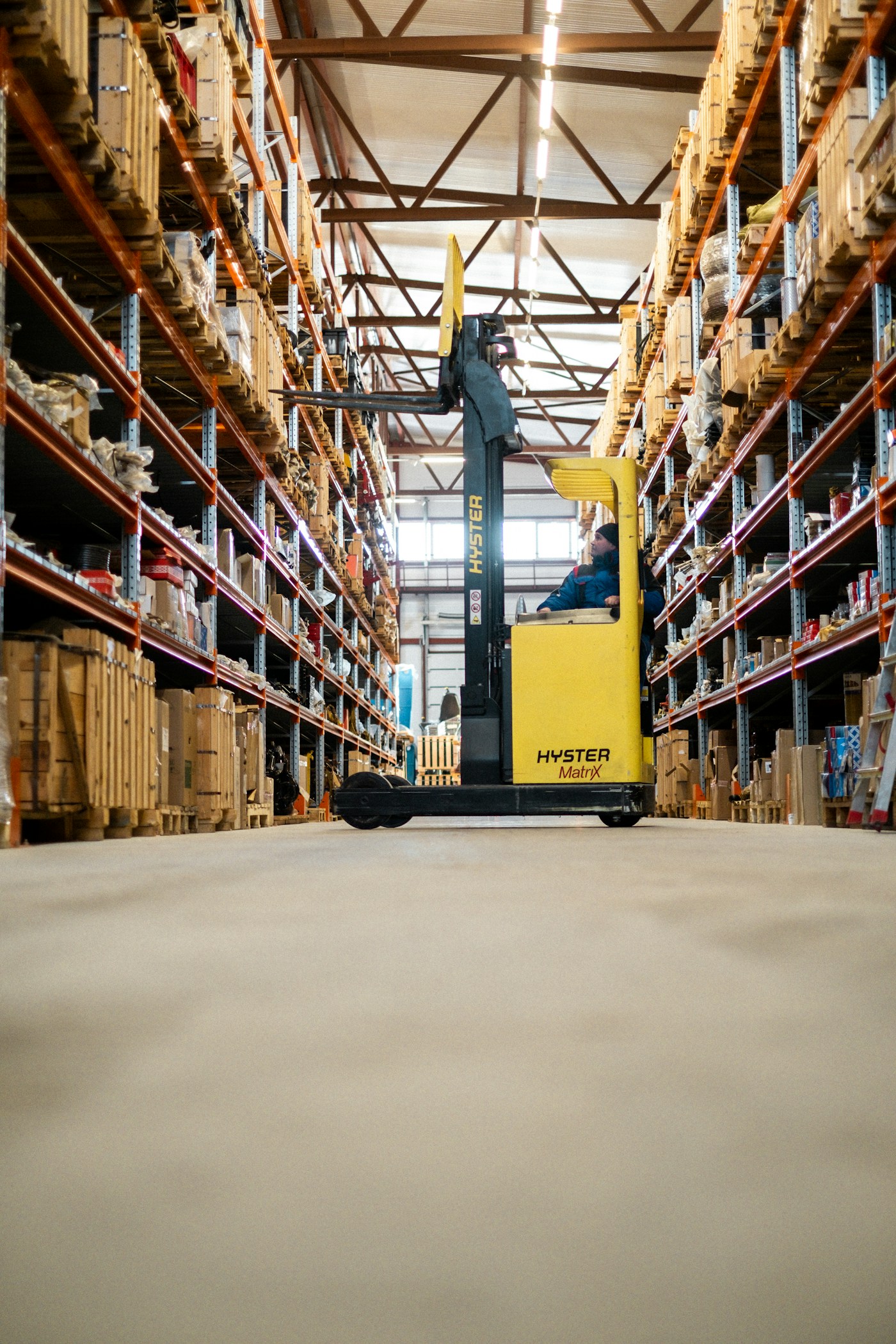
The most relevant product groups include injection moulding machines, CNC equipment, presses, packaging lines, forklifts. Opportunities differ by destination and customer type: a distributor may require mixed models and repeat availability, while a factory or project buyer may prioritize technical conformity, commissioning support and a defined delivery schedule.
Buyers should identify the minimum acceptable specification and any permitted alternatives before approaching the market. This reduces unsuitable quotations and makes it possible to compare origin, condition, performance, packaging and documentation on a consistent basis.
Major importing countries and markets
Active importing markets include Vietnam, Indonesia, India, United Arab Emirates, Kenya, Tanzania. Demand within each market is not uniform. Duties, standards, access to foreign exchange, infrastructure spending and local after-sales capability can materially affect which products are commercially attractive.
Before relying on general trade statistics, buyers should confirm the actual destination rule and sales channel. Port choice, inland delivery and the final user’s technical expectations may have more influence on the transaction than national import volume alone.
Major exporting countries
Important supply origins include Japan. Each origin has different advantages in manufacturing depth, used-equipment availability, order flexibility, technical standards, lead time and shipping access. No origin is automatically best for every requirement.
An origin comparison should use the same scope: product specification, included accessories, inspection, export preparation, packaging, domestic transport and Incoterm. This prevents an incomplete offer from appearing cheaper than a shipment-ready alternative.
Buyer demand
Demand is strongest for traceable, energy-efficient equipment that can be inspected before dismantling and supported with manuals, controller backups and spare-part information.
Demand is increasingly evidence-led. Buyers ask for recent photos or video, data sheets, batch tests, certificates, production schedules and export references appropriate to the product. Suppliers that answer these questions precisely can shorten evaluation time and reduce the need for repeated clarification.
Price and market trend
Well-maintained late-model machinery remains firm in price while older equipment is more negotiable; inland dismantling, container preparation and ocean freight increasingly determine the true landed cost.
Quotations should therefore show a validity period and identify the variables most likely to change. For repeat purchases, a price-adjustment method linked to a transparent input can be more workable than expecting a fixed number through a volatile cycle. Landed-cost comparisons should also include banking, inspection, freight, duty, storage and inland handling.
Important risks
The principal transaction risks include incomplete operating evidence, incorrect electrical frequency or voltage, missing controller backups, underestimated dismantling and loading costs. These risks are manageable when responsibilities and evidence are defined before money or cargo moves. They become expensive when assumptions remain informal.
Risk control should be proportional to order value, product criticality and the history between the parties. A first transaction may justify stronger identity checks, sample approval, independent inspection or staged payment even when later repeat orders can use a simpler process.
Customs and regulatory considerations
Buyers should confirm destination rules for used equipment, pre-shipment inspection, serial numbers, age limits, cleanliness and wood packaging before committing.
The importer should confirm the HS classification and destination requirements with a qualified customs broker or authority. Commercial invoices, packing lists, origin documents, certificates and transport records must describe the goods consistently. A supplier statement is useful evidence, but it does not replace the importer’s legal responsibility in the destination market.
Recommended business strategy
Issue a technical RFQ, require time-stamped evidence, compare offers on one Incoterm and approve an inspection and loading plan before the final payment milestone.
Use a written evaluation sheet covering technical fit, commercial terms, supplier evidence, compliance, logistics and payment risk. Record unresolved questions and assign an owner and deadline. When two offers are close, execution reliability and clarity of scope are usually more valuable than a small nominal price difference.
Conclusion
Used industrial machinery from Japan can create worthwhile international business when the requirement is specific and the transaction is coordinated from the beginning. Market access alone is not enough; buyers need comparable information, verified evidence and an executable route from order to delivery.
TradeBridge Global supports this process by reviewing buyer requirements, identifying relevant sourcing channels and coordinating confidential communication. The objective is not to promote public inventory, but to build a well-defined opportunity that suitable parties can evaluate responsibly.
Looking for a product, supplier, or international business opportunity? Submit your requirement and our team will review it.
Submit a Requirement
Related articles
India–Africa trade opportunities in engineering and industrial supply
Read More